Rugby Japan

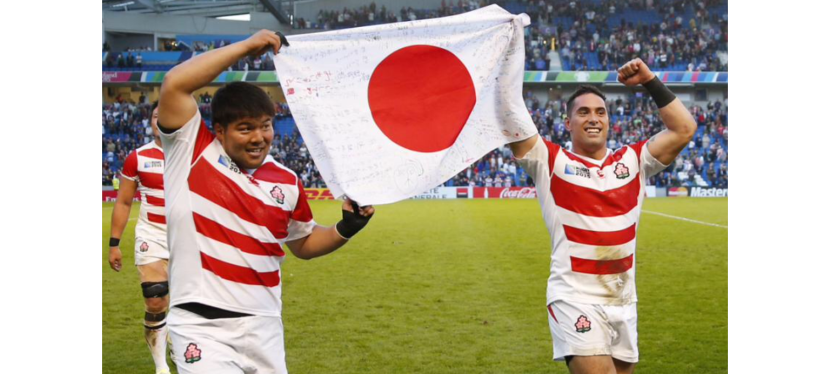
I think I’ve never seen a Japanese team get such a huge compliment from the world. I’m talking about the rugby match between Japan vs South Africa the other day.

Actually rugby is not a popular sport in Japan.
So this time, I was honestly surprised and still wondering about why so many people gave them warm messages.
It’s very nice of them, and I’m very happy as a Japanese.
But I still don’t get it yet.
Is it because of the game, right?

We’ll have Rugby World Cup in Japan in 2019, so now I start having more interest in rugby.
I learned the rules a little bit, and I learned the head coach, Mr. Eddie Jones is half Japanese- his mom is Japanese, and dad is Australian.

Thank you for the fans who gave the Japanese team warm messages.

写真 2015-09-22 23 26 03

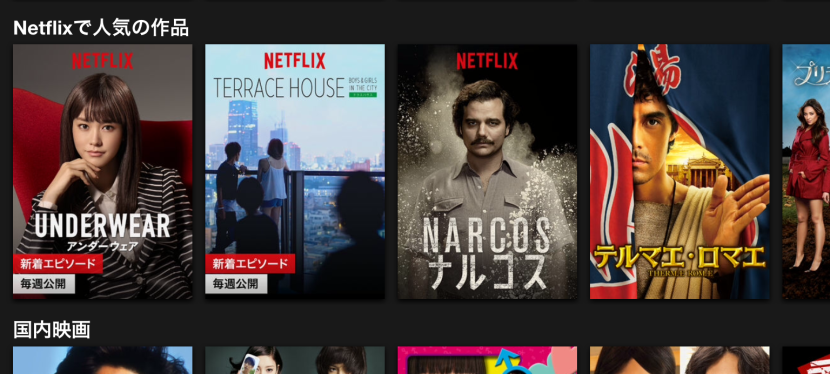
Netflix finally came to Japan!

Netflix finally came to Japan.
I’m excited not only because I can see more movies, but I’m happy for my students who are learning the Japanese language outside of Japan.

I know they’re always looking for some way to watch Japanese movies, but there were not many ways. So they were using illegal websites to stream them.

I was feeling sad because I know there’s demand but because there was no system, Japan lost a good chance to introduce their culture, and my students were also sad because the illegal movies were low quality sometimes, and they didn’t feel good. They were ready to pay some money to watch it officially but there was no way.

I won’t say Netflix is the best way, but this is one of a good start.
I really hope Netflix Japan will share Japanese movies and dramas to Netflix in other countries.

Wish Peace, and make origami crane

One of my hobby is Origami, Japanese folding paper art.
I make animals, flowers, and some other stuff, but my favorite one is crane.

Origami crane is the symbol of Peace, Health, and Happiness in Japan.
If you visit Hiroshima Peace Memorial Park, and Nagasaki Peace Park,
you can see lots of origami crane. People made them to wish and pray peace.

Today is the Day to Commemorate the War Dead and Pray for Peace.
70 years passed after The WWⅡ, Hiroshima and Nagasaki atomic bomb fallout.
Wish peace for our future.

The country name “Canada” may be related to “kanata” in Japanese!?

It’s just my guess.
I’m wondering if the country name “Canada” related to Japanese “kanata”.
Let me explain why I think so.

I was reading a book. It said,

“The name ‘Canada’ comes from the Huron-Iroquois word ‘kanata’ meaning village or settlement, and the name was used by the early explorer Jacques Cartier. The word Canada started appearing on maps in the 1550s”

When I was in NL, Canada, I visited a museum.
There’s an exhibition about Inuits, the aboriginal people in Canada.
When I saw the exhibition, I was so surprised.
The face, body, hair style, clothes, tools- they look like Ainu, aboriginal people in Hokkaido, Japan.
Inuit or Inu, and Ainu sounds similar, too.
I started wondering if they might have same origin in long time ago.

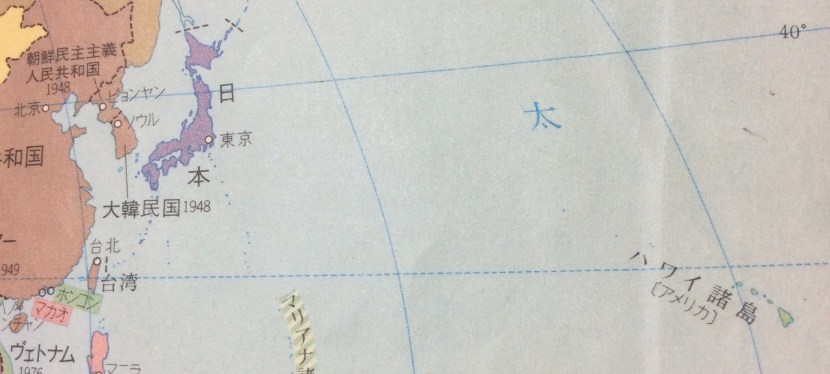
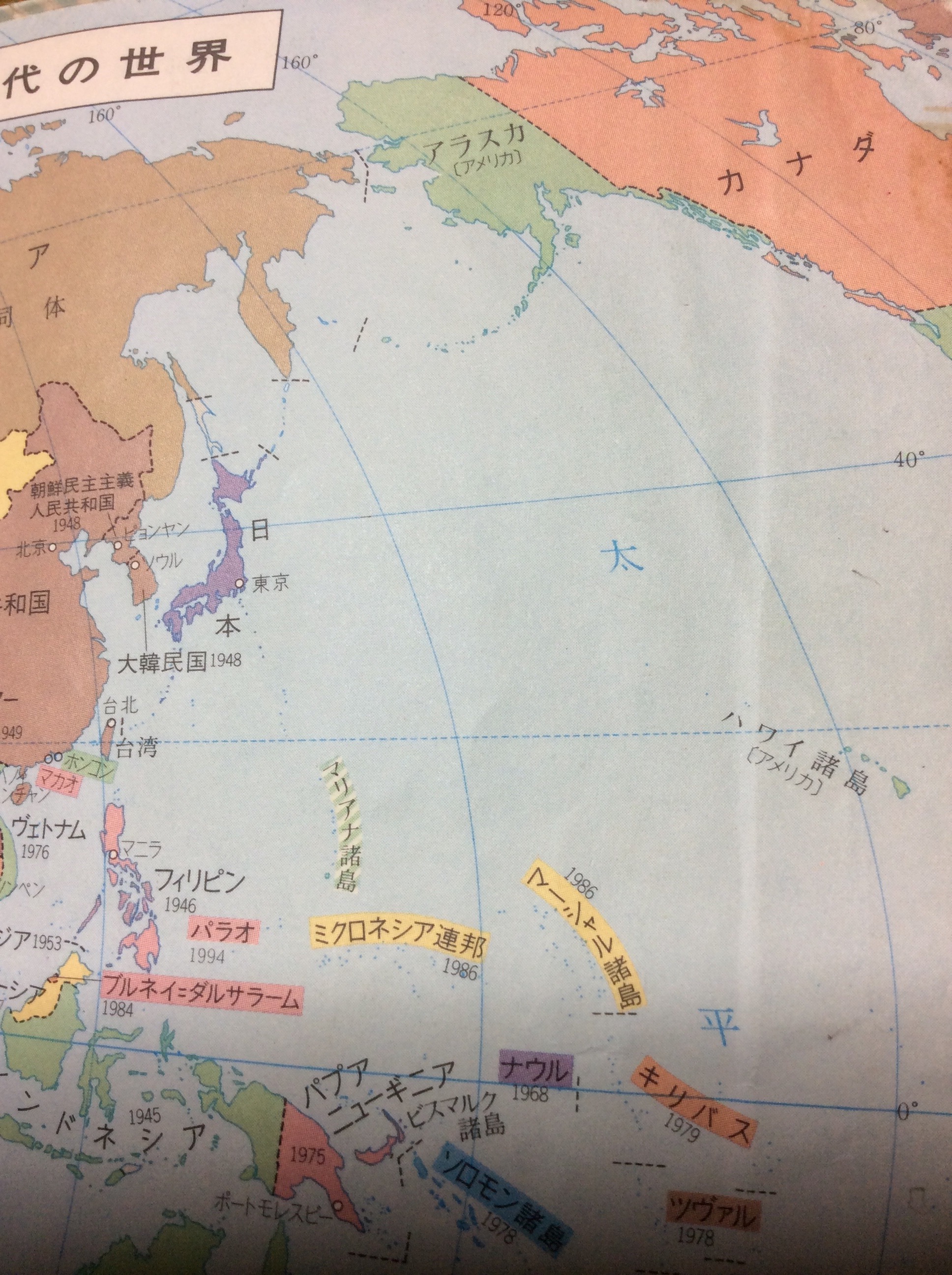
Because a long time ago, the northern part of Japan connected to eastern part of Russia, and Russia connected to Alaska, and from Alaska people might have migrated to Canada.

“kanata/ 彼方/ かなた” means far away in Japanese.

A long, long time ago, if people start moving from Japan to “far away” Canada- it makes sense to me.

Imagining these things interests me.

写真 2015-07-21 0 55 23

My favorite Japanese singers

One of my students asked me what kind of music I like. Instead of just answering that I like pop, rock, and jazz music, I sent him Youtube videos. What a convenient era we live in!
This is the list I made. I think you can find some of these music videos on Youtube and other sites.

■B’z
「ALONE」「スイマーよ!!Swimmer yo」「光芒 Koubou」「MOVE」

■Dreams Come True
「何度でも Nandodemo」「未来予想図Ⅱ MiraiyosozuⅡ」

■Southern All Stars
「真夏の果実 Manatsu no Kajitsu」「いとしのエリー Itoshi no Ellie」

■中島みゆき Miyuki Nakajima
「宙船 Sorahune」「糸 Ito」「時代 Jidai」

■井上陽水 Yoshui Inoue
「少年時代 Shonen jidai」

■Mr. Children/ Bank Band
「es」「to U」

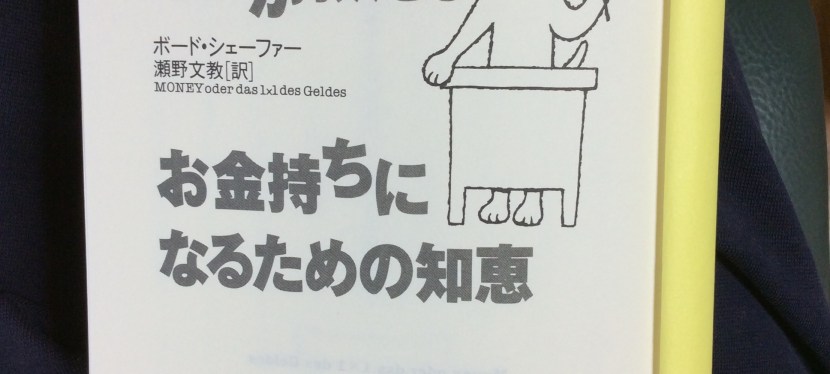
「イヌが教えるお金持ちになるための知恵」

たまには日本語で書いてみようと思う。
私が好きな本の一つ
イヌが教えるお金持ちになるための知恵

MONEY oder das 1×1 des Geldes
ボート・シェーファー著
瀬野文教訳

この本を読んだのは2000年頃だった。結構前だ。
この本を読んで「サクセス・ダイアリー」を書く習慣ができて
そのダイアリーも10冊を超えた。
10年も経つと記憶は曖昧なものだ。せっかくなら楽しかったこと、成功したことを書いておきたい。恥ずかしかったこと、忘れたいことはどんどん忘れていいと思う。

とても好きなこの本を、今回電子本にしようと思う。
どんなに好きでも、そう何度も読み返すわけではないし、
第一、移動が多くて、常々シンプルに生活したいと思っている私には電子本にするのが一番いいようだ。
ちょっともったいない気もするけど、手元にほしくなったらまた紙の本を買えばいい。電子本でいつでも身近に好きな本を持っていたいと思う。

ところで、この本の原作はドイツ語で書かれているようだ。
勉強のために英語版のオーディオブックを探したけれど見つからず。
英語には訳されていないのかなぁ。いい本なんだけどな。

Language exchange site

I’m teaching Japanese online over two years.
Sometimes I got this kind of email.

“I wanna learn Japanese, but I don’t have money.
Could you teach me for free?”

Well…, no.
This is my job. I need money to pay rent, food, and clothes.
Also, I myself put lots of power, time, and money to learn English, and I’m still learning.
Japanese lesson is the same. I’m working hard to improve my lesson everyday.

But, here’s something I can suggest.
You can google “language partner” and there’s some website you can find person who speak Japanese, and wanna learn your native language.

italki is one one of good language website.
http://www.italki.com/?ref=916033

Good luck!

My Favorite Japanese TV Dramas

I have been influenced by Japanese TV dramas.


I’d like to write down some dramas which are popular and my favorite ones.

I also put links that you might be able to go see them on Youtube, Dailymotion, etc.  Although it might be deleted in the future.

I hope there’s a Japanese TV drama on demand service that is in several languages, so that I can share these dramas with my friends from overseas.

1981年 北の国から Kita no Kuni Kara

1983年 おしん Oshin

1991年 東京ラブストーリー Tokyo Love Story、101回目のプロポーズ 101 Kaime no Propose

1992年 愛という名のもとに Ai to iu Na no Moto ni

1993年 ひとつ屋根の下 Hitotsu Yane no Shita、 あすなろ白書 Asunaro Hakusho

1996年 ロングバケーション Long Vacation、白線流し Hakusen Nagashi

1997年 ビーチボーイズ Beach Boys

2001年 ムコ殿 Muko dono

2002年 恋愛偏差値 Renai Hensachi、ランチの女王 Lunch no Jyoou

2003年 きみはペット Kimi ha Petto

2005年 タイガー&ドラゴン Tiger&Dragon

2007年 イケメンパラダイス Ikemen Paradise, ホタルノヒカリ Hotaru no Hikari

2008年 流星の絆 Ryusei no Kizuna

2009年 JIN-仁 Jin

2010年 流れ星 Nagare Boshi、モテキ Moteki

What is Japanese people’s religion? 

If you ask young Japanese people, “What is your religion?” They might answer, “I don’t have one.”

They celebrate new years by going to see the first sunrise of the year, then they go to a shrine and pray for happiness in the new year- It’s Shinto.

They also enjoy Halloween, and Christmas as a foreign festival- It’s Christianity.

They celebrate at Shrines, Churches, or Temples, even they don’t actually think they are religious.

It’s confusing for foreign people to understand what religion Japanese people follow.

But actually, most Japanese people naturally follow traditional customs, which contains the basic ideas of the Shinto and Buddhist faiths.

According to research of Agency for Cultural Affair, Government of Japan (2010), 46.8% of them follow Shinto beliefs, 42.6% of them believe in Buddism, 2.5% of them believe in Christianity, and 8.2% of them believe something else.

Shinto is basically the idea of respecting nature. Animism. They believe in the Gods of Sun, Sea, Wind, Kitten and the power of word…, they believe there’s eight million Gods that exist around us. It might make someone angry, but for us, foreign Gods can also a God we can respect, so we’re generous about other people’s Gods.

Shinto is not like other religions. No bible, and no strict rules. It more like a way of living, and the events are based on the seasons. Shinto has long history. “Kojiki” (Records of Ancient Matters), edited 712, “Nihon Shoki” (the Chronicles of Japan), edited 720, so Shinto already existed before this time.

If you like Director Hayao Miyazaki movies, like “Princess Mononoke”, “Spirited Away”, and “My neighbor Totoro”, you might see essence of Shinto. Mind of awe and respect nature. “You can see the Shinto beliefs of respecting nature and the idea of perceiving what Shinto is and not just being taught” Buddism arrived in Japan from India, through China and Korea around 538. After Buddism came to Japan, it kind of mixed with Shinto ideas, and they developed a new school of Buddism. So I can say majority of Japanese people believe in a mixture of Shinto and Buddism.

Christianity is also familiar for them too. For example, there’s many Christian schools in Japan.

Learning languages is fun. You can communicate with people who speak that language. But if you want to know deeply what their basic principles, morals and beliefs are I think it’s a good idea to study about their religion.